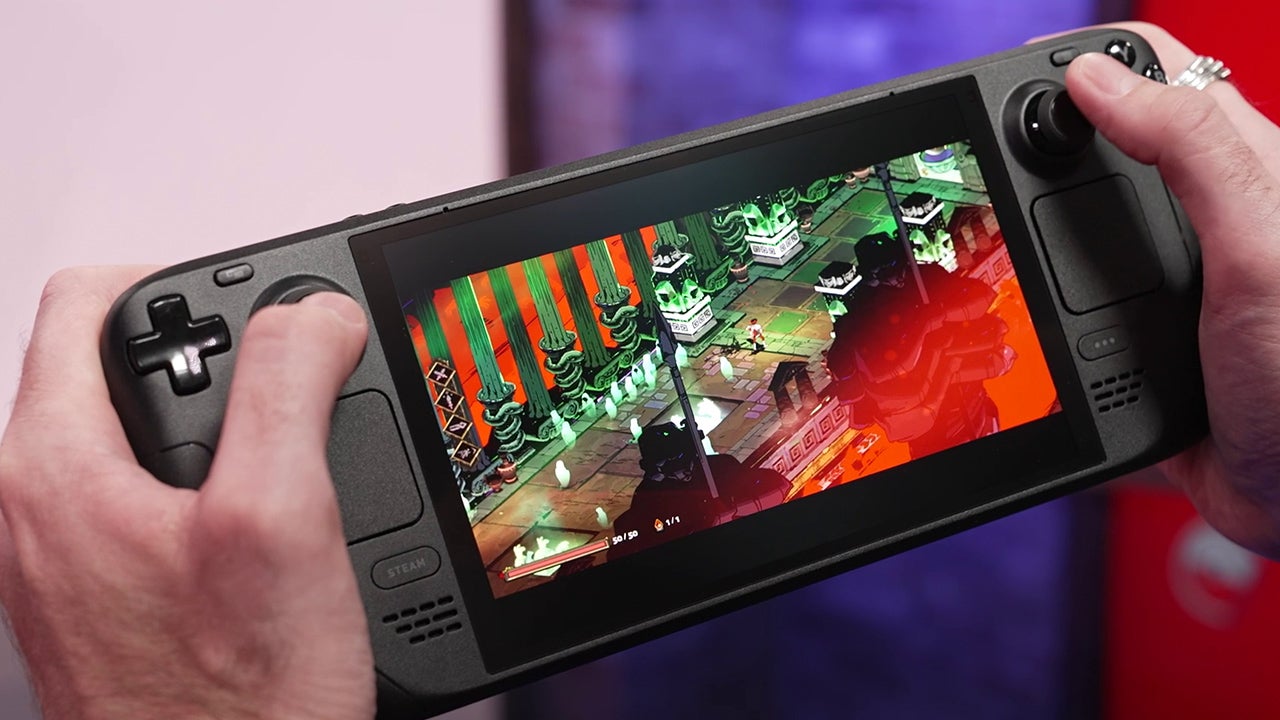
Valve has officially acknowledged that its popular Steam Deck handheld is facing significant availability problems, attributing the supply crunch to widespread memory and storage shortages driven by the artificial intelligence industry’s insatiable appetite for components. The company quietly updated its Steam Deck store page with a notice warning that the Steam Deck OLED “may be out-of-stock intermittently in some regions due to memory and storage shortages,” confirming what many buyers had already suspected after encountering empty shelves across multiple regions.
The root of the problem lies in the escalating AI arms race among tech giants such as Nvidia, Google, Amazon, Microsoft, and Meta. These companies have been aggressively building out AI data centers and purchasing enormous quantities of RAM and storage components, effectively jumping to the front of the supply line. As IGN reports, this surge in demand has already pushed consumer RAM prices sharply upward, creating a cascading effect on the cost and availability of electronics that depend on the same components.
The shortage is not just affecting Valve’s current hardware lineup. All three Steam Deck models — including the 256GB LCD and both OLED variants — were listed as unavailable in the United States at the time the announcements surfaced. Valve also confirmed that the 256GB LCD model has been permanently discontinued, meaning once remaining stock is gone, it will not return. For prospective buyers, the situation means checking back frequently and hoping to catch a restock window before units sell out again.
Beyond the Steam Deck, Valve’s upcoming hardware ambitions have also taken a hit. The company had originally planned to launch its new Steam Machine console-like PC in early 2026, but has since pushed the timeline back to sometime in the first half of the year, along with the Steam Controller and Steam Frame. Valve cited the need for additional time to lock down pricing and secure components in a market where costs remain volatile and unpredictable.
The fallout from the memory crisis extends well beyond Valve’s ecosystem. Recent Bloomberg reports indicate that Sony is weighing a potential delay of the PlayStation 6 into 2028 or even 2029, while Nintendo is reportedly considering a price increase for the upcoming Switch 2 — both decisions linked directly to the same component shortages. The gaming hardware industry as a whole appears to be caught in the crossfire of a technology sector that is funneling resources toward AI at an unprecedented scale.
With no clear resolution to the memory shortage on the horizon, consumers face an uncertain period in which buying a gaming device could become more difficult and more expensive. Whether the AI boom ultimately delivers transformative benefits or proves to be an overhyped bubble, its immediate consequences for the gaming world are already painfully tangible — and likely to persist for the foreseeable future.