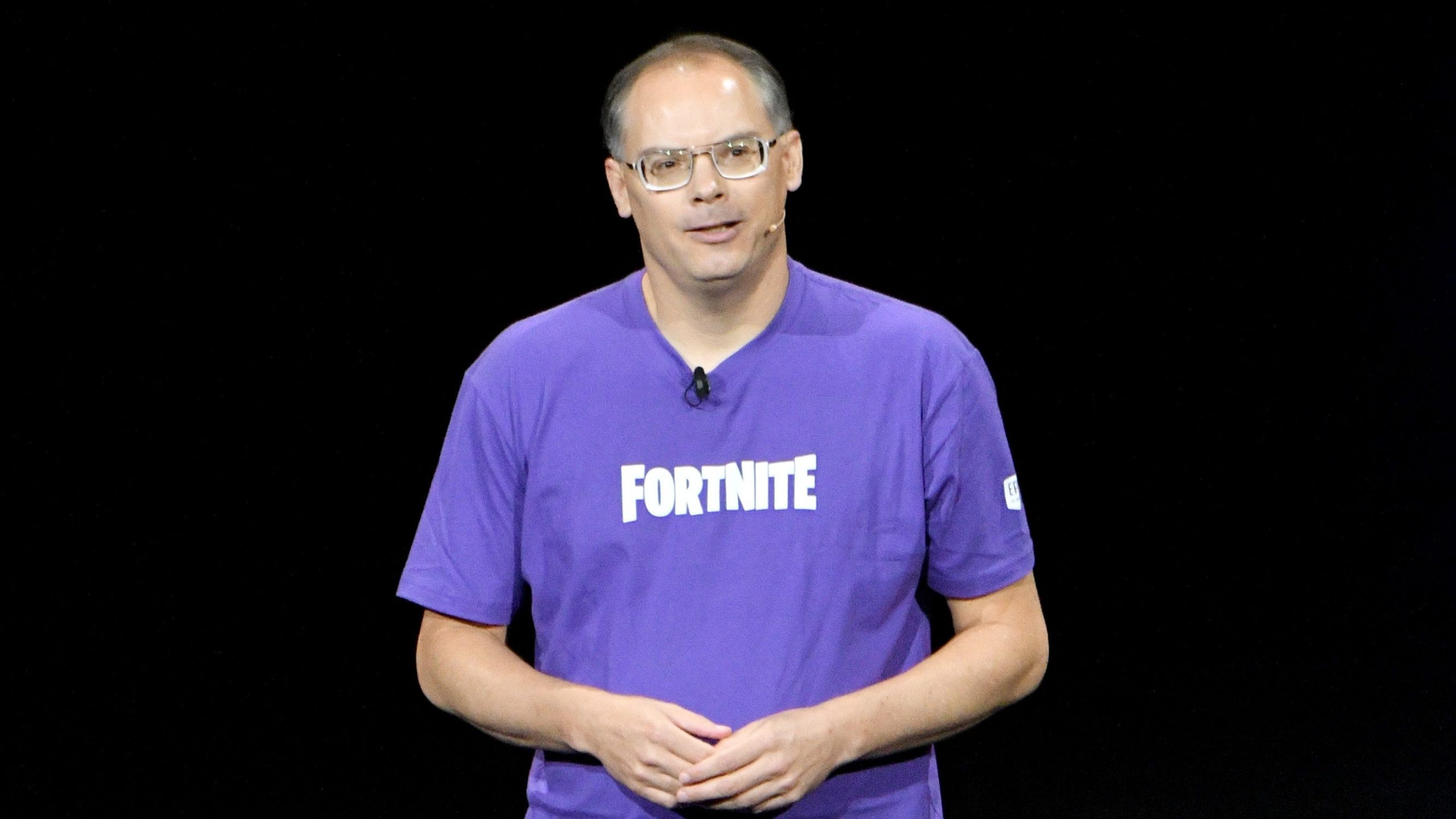
Epic Games has restored Fortnite to Apple’s App Store in nearly every market worldwide, marking a dramatic escalation in the long-running feud between the game developer and the tech giant. CEO Tim Sweeney framed the move as a pivotal moment, declaring it “the beginning of the end of the Apple Tax worldwide” as the two companies prepare for what he called “the final battle” before the U.S. Supreme Court.
The dispute dates back to 2020, when Epic deliberately added a direct payment option inside Fortnite to bypass the 30 percent commission that Apple and Google charge developers on in-app purchases. Apple responded by removing Fortnite from the App Store entirely, triggering years of costly litigation. Although a significant court ruling last year appeared to open the door for Fortnite’s return, Apple initially managed to block the game from coming back before eventually allowing it in the United States and Europe.
Now the game is accessible on iPhones and iPads across the globe, with one notable exception: Australia. According to Epic’s statement, the company has won a legal case against Apple in Australia but says Apple continues to enforce what Epic describes as unlawful payment terms. The developer says it cannot return to the Australian App Store under those conditions and is awaiting a court decision to resolve the standoff.
The timing of Fortnite’s global reappearance is no coincidence. Epic says it was prompted by Apple’s own admission to the U.S. Supreme Court that regulators around the world are closely watching the case to determine what commission rates Apple can charge in major international markets. Sweeney seized on that statement, arguing it proves the outcome of the American legal battle will have sweeping consequences for mobile commerce everywhere.
Epic also took aim at Apple’s track record of regulatory compliance, accusing the company of using “scare screens, fees and onerous requirements” to sidestep laws passed in the European Union, Japan, and the United Kingdom that were designed to open up mobile app ecosystems. The developer said it is confident that when Apple is compelled to disclose its actual costs, governments will reject what Epic calls “junk fees” imposed on developers and consumers alike.
The return of one of the world’s most popular games to Apple’s platform is more than a single product launch — it represents the highest-profile test case in an ongoing global debate over app store economics and digital marketplace competition. With Supreme Court proceedings on the horizon, the outcome could reshape the financial relationship between platform holders and the developers who build on them.