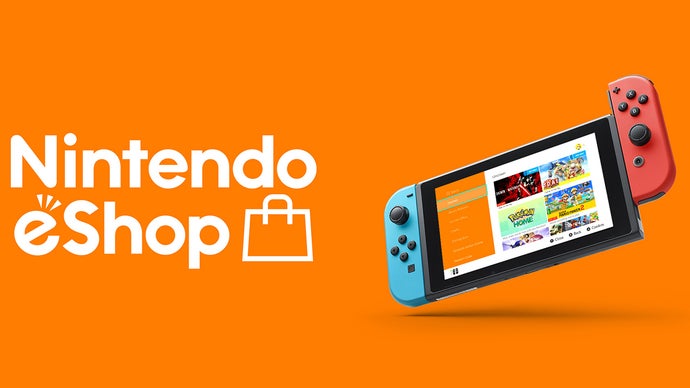
Nintendo has released system update Ver. 22.5.0 for the original Switch, and buried within its modest patch notes is a change that longtime owners have been begging for since the console launched in 2017: a completely overhauled eShop that actually runs at a reasonable speed. The update replaces the old browser-based storefront with a native app, similar to the one that shipped with the Switch 2 at launch last summer, transforming what was once an agonizingly slow browsing experience into something dramatically more responsive.
For years, navigating the original Switch’s digital store meant enduring severe input lag, glacially slow image loading, and painful wait times whenever you dared to scroll through its ever-growing catalog. As GameSpot notes, the problem only worsened over time as the eShop became increasingly flooded with titles, making it harder and harder to dig through listings to find anything worth playing. Many users, tired of the store’s dreadful performance, simply stopped browsing altogether — likely costing Nintendo and developers countless potential sales in the process.
The redesigned eShop is not the only improvement bundled into the update. According to the Eurogamer report, the storefront now supports the console’s “Basic Dark” theme, sparing users from the harsh white interface that previously greeted late-night shoppers. Nintendo has also introduced a User-Verification PIN system that can be applied both to accessing the eShop and to using saved payment methods, adding a layer of convenience for returning buyers and an important safeguard against unauthorized purchases by children.
A few smaller quality-of-life tweaks round out the update as well. Users can now rewind or skip forward by ten seconds using the ZL and ZR buttons while watching full-screen videos in the News section or on the eShop. The patch notes also include the customary mention of “general system stability improvements to enhance the user’s experience,” a phrase Nintendo has deployed in virtually every system update for over a decade.
The timing of the update is notable. With Switch 2 production reportedly ramping up as the newer console approaches 20 million units sold, Nintendo could have easily left the aging hardware to coast on its existing software. Instead, the company appears to be signaling that it has no intention of abandoning the original Switch’s massive installed base anytime soon. The overhaul suggests Nintendo recognizes that millions of players still rely on the first-generation hardware as their primary console.
Whether this long-overdue fix will translate into a measurable bump in digital sales on the original Switch remains to be seen, but the early reaction from the community has been overwhelmingly positive. Social media users have shared side-by-side comparisons calling the difference “night and day,” and it is hard to argue with that assessment. For a console approaching its tenth birthday, it is a welcome reminder that meaningful improvements do not always require new hardware — sometimes they just require Nintendo to finally get around to it.