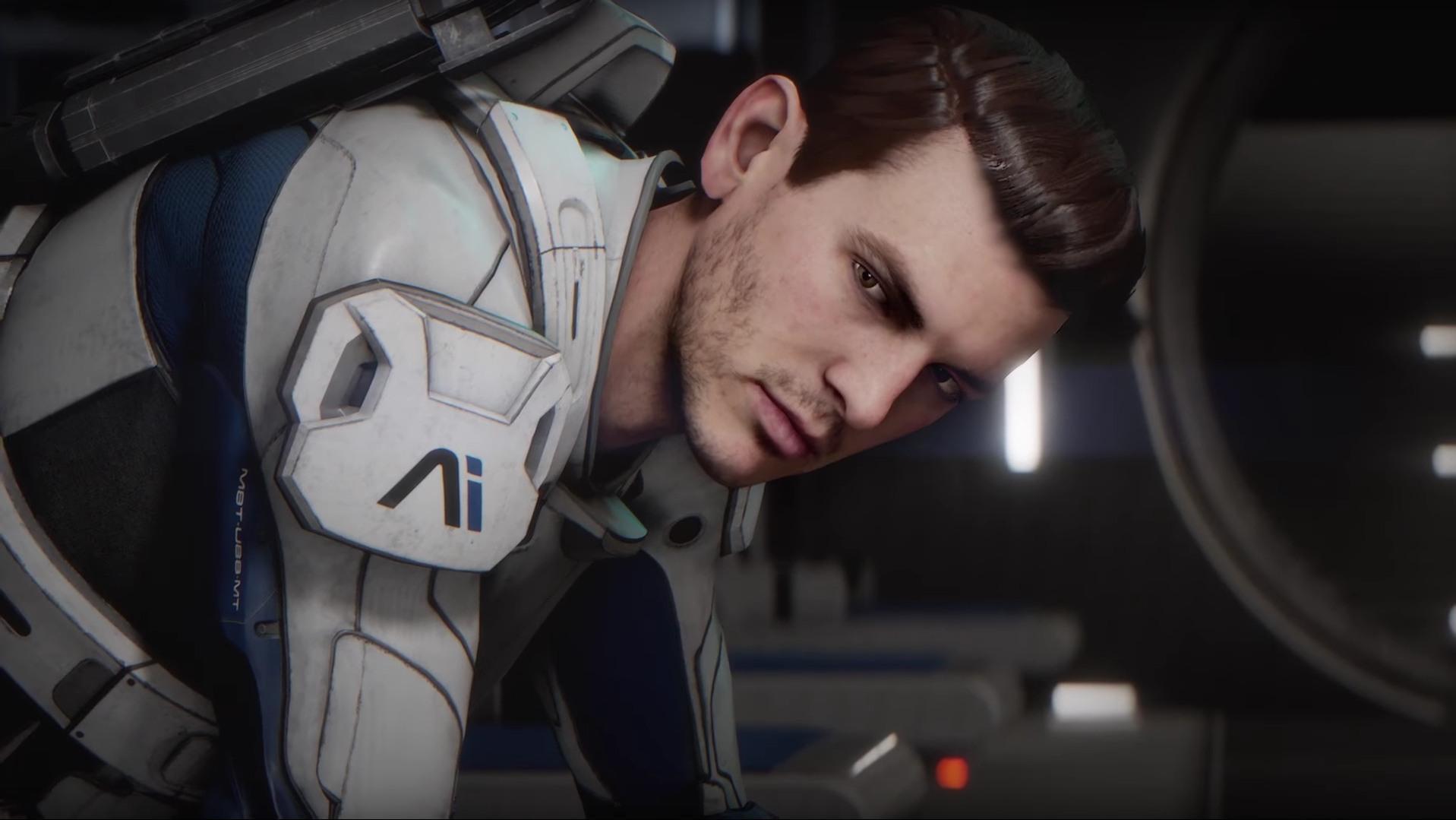
Nearly a decade after Mass Effect Andromeda divided fans and critics alike, the voice behind protagonist Scott Ryder is speaking candidly about what went wrong — and he’s pointing the finger squarely at publisher Electronic Arts. Actor Tom Taylorson, in a recent interview with fan site We Are Mass Effect, described a troubled production plagued by unrealistic publisher expectations, an unfamiliar game engine, and a release window that came far too soon for the team to deliver a polished product.
Taylorson minced no words when characterizing EA’s role in the game’s struggles. He accused the publisher of pushing BioWare Montreal to ship a game that simply wasn’t ready, while simultaneously mandating the use of DICE’s Frostbite engine — a tool designed primarily for first-person shooters that the development team had little experience with and that was poorly suited to the narrative-heavy RPG BioWare was trying to build. As IGN reports, the original Mass Effect trilogy had been built on Unreal Engine, and the transition to Frostbite created significant technical hurdles for the studio. Notably, BioWare has since abandoned Frostbite for the upcoming Mass Effect 5, returning to Unreal Engine.
The 2017 release faced an uphill battle from the start. Tasked with following the beloved original trilogy without Commander Shepard or the Normandy crew, Andromeda introduced the customizable Ryder siblings and an entirely new cast in a fresh galaxy. Development was handled by the smaller BioWare Montreal studio while the main Edmonton team focused on Anthem, and reports have long documented how the satellite team spent years experimenting with procedurally generated planets before scrapping the concept and rebuilding much of the game’s content in its final two years of production.
Beyond the development woes, Taylorson also took aim at the hostile online environment that greeted the game at launch. He described the atmosphere as “very toxic,” claiming that so-called “online chuds” amplified the game’s genuine shortcomings into a relentless pile-on. According to Eurogamer, the actor noted this wasn’t even his last experience with such treatment, citing his work on another title called Highguard that suffered a similar fate at the hands of internet mobs eager to designate a new punching bag.
What stings most for Taylorson, however, is what was lost. The mixed reviews and disappointing sales effectively killed any plans for an Andromeda sequel, ending what the actor and his colleagues had hoped would be a decade-long journey with their characters. “It hurt most because I knew that was it — Ryder wouldn’t be coming back,” he said. The franchise itself will eventually continue with a new mainline installment first teased in late 2020, and an Amazon television adaptation is also in the works, but Andromeda’s particular corner of the galaxy appears permanently closed.
While some fans have revisited and reappraised Andromeda more favorably in the years since its rocky launch — aided by extensive post-release patches that addressed many of its most glaring bugs — Taylorson’s remarks serve as a stark reminder of the human cost when publisher pressures, technical challenges, and online toxicity collide. Whether the next Mass Effect can recapture the magic of the original trilogy remains to be seen, but for the team behind Andromeda, the wounds clearly haven’t fully healed.