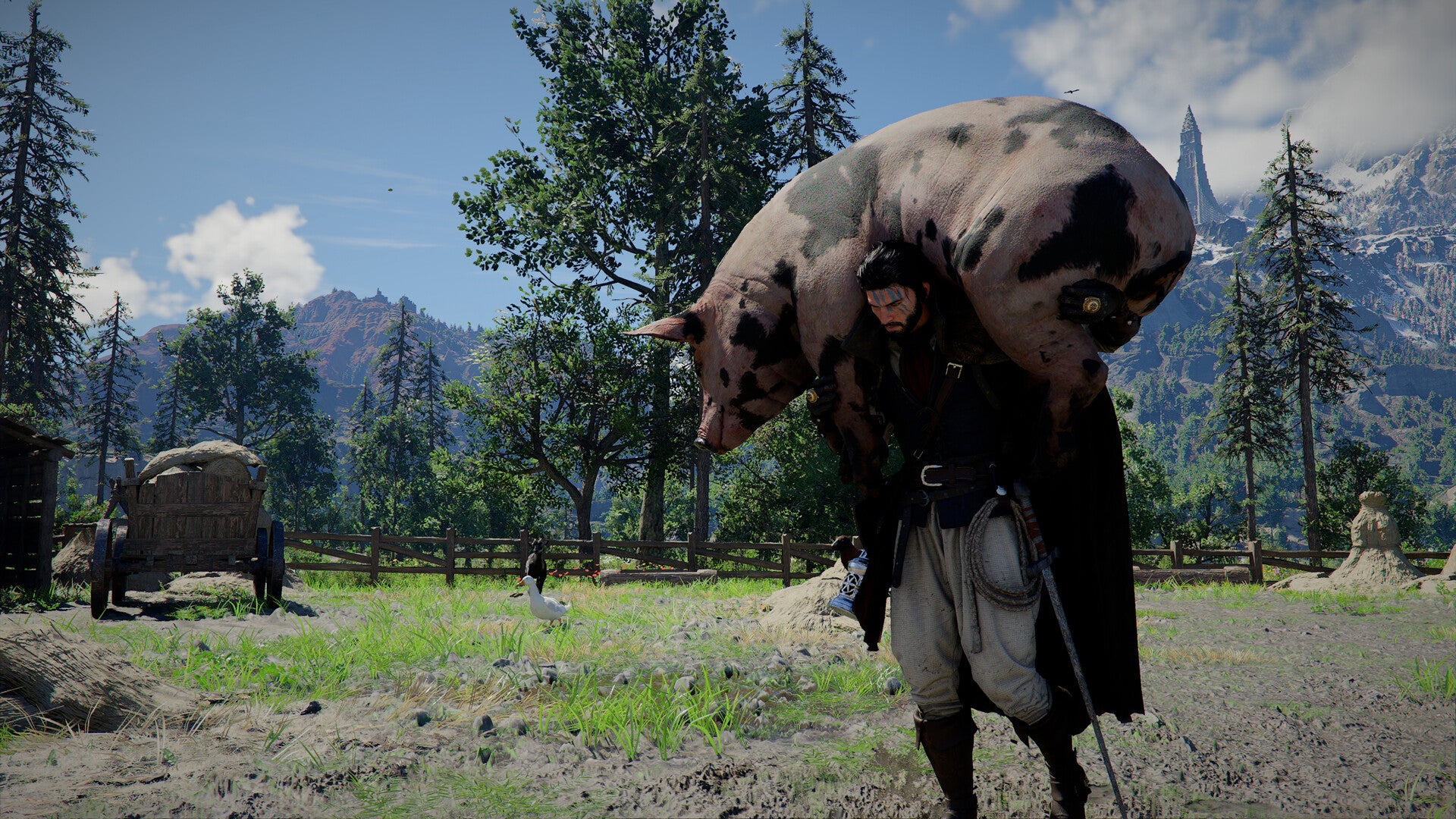
South Korean developer Pearl Abyss is experiencing a dramatic reversal of fortune on the stock market after its ambitious open-world action RPG, Crimson Desert, crossed the 3 million sales mark just five days after launch. The company’s shares surged more than 23% on the Korea Exchange, largely recovering from a punishing 30% decline that followed the game’s initial reception from critics and players alike. The whiplash in investor sentiment has drawn attention from industry observers, with game industry consultant Dr. Serkan Toto describing the turnaround as a “Whoopsie moment” typical of game stocks in Asian markets.
Crimson Desert launched on March 19 to enormous anticipation, having accumulated over 3 million Steam wishlists and generated significant buzz from preview coverage. The game posted strong early numbers, attracting nearly 250,000 concurrent players on Steam and selling 2 million copies within its first 24 hours. However, the celebration was short-lived as middling review scores and player complaints about clunky controls, complicated inputs, and blurry visuals on both PC and PS5 quickly soured the mood. Pearl Abyss reportedly invested seven years and roughly 200 billion won — approximately $133 million — into developing the title, making the rocky launch all the more concerning for shareholders.
The initial backlash hit Pearl Abyss hard financially. As Eurogamer reported, the company’s stock plummeted nearly 30% when reviews went live, and shares continued to slide in the days following release despite the impressive sales figures. Investors appeared to be weighing the critical reception more heavily than the raw unit numbers, reflecting broader anxieties about whether the game could sustain long-term momentum and profitability.
Pearl Abyss moved quickly to address the concerns, rolling out a series of patches and updates that tackled many of the launch-day issues head-on. The studio introduced new keyboard shortcuts, added quality-of-life features like Private Storage at Howling Hill Camp, and worked to resolve the performance problems that had frustrated early adopters. These efforts appear to be paying off: Crimson Desert’s Steam review rating has climbed from “Mixed” at launch to “Very Positive” among English-language reviewers, while its Metacritic user score sits at a healthy 8.1.
The combination of strong sales milestones and a noticeably improving player experience has clearly shifted market sentiment. According to GameSpot, Pearl Abyss is now trading up roughly 26% year-to-date and 56% over the past twelve months, with the post-launch losses largely erased. While the stock has not fully returned to its pre-launch highs, the trajectory suggests that confidence is being restored as the studio demonstrates its commitment to supporting and improving the game.
The Crimson Desert saga serves as a vivid illustration of how volatile investor reactions to game launches can be — and how quickly those reactions can reverse when developers respond decisively. With further patches and content updates expected in the weeks ahead, Pearl Abyss will be hoping the upward trend continues as more players explore the sprawling world of Pywel. For now, the studio appears to have weathered the storm and turned what looked like a troubled debut into a genuine commercial success story.