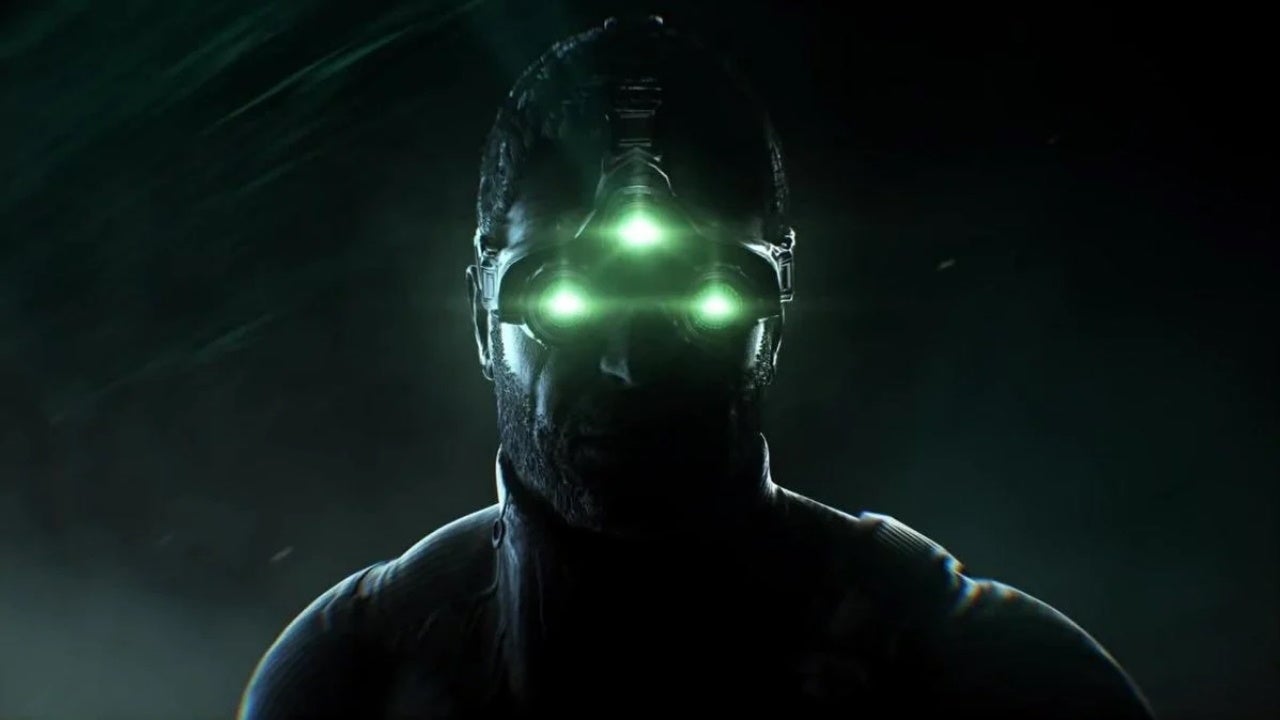
Clint Hocking, the creative director behind the acclaimed 2005 stealth classic Splinter Cell: Chaos Theory, has weighed in on a growing challenge facing modern stealth game development: the very graphical fidelity that makes today’s games look stunning is actively undermining the genre’s core gameplay. In an excerpt from an upcoming podcast episode with FRVR, Hocking argued that advances in rendering technology — particularly realistic lighting systems like ray tracing, ambient occlusion, and light diffusion — have made it far more difficult for players to distinguish between safe shadows and dangerous, exposed areas.
According to Hocking, older stealth titles benefited enormously from their technical limitations. The baked lighting used in early Splinter Cell and Thief games produced clean, high-contrast environments where light and dark zones were immediately readable. Players could intuitively understand where to hide and where they were vulnerable. Modern rendering pipelines, however, scatter light across surfaces in naturalistic ways that blur those once-sharp boundaries, creating a murkier visual language that works against stealth mechanics. As Rock Paper Shotgun notes, this is a tension the genre has grappled with for years through various UI solutions — from Thief’s iconic light gem to Splinter Cell’s on-suit light indicators and Mark of the Ninja’s character desaturation.
Hocking also pointed to artistic lighting direction as a key part of the equation. He drew an analogy to theater, where stage lighting is deliberately exaggerated to create dramatic contrast. Game environments, by contrast, are increasingly lit to simulate realism rather than to serve gameplay purposes. The result is spaces that look convincing but fail to communicate the information stealth players need. He described this as a difficult problem to solve, given that an entire generation of developers has spent their careers pushing toward photorealism.
The Splinter Cell franchise itself has experimented with different approaches to this readability problem over the years. Splinter Cell: Conviction stripped color from the game world when protagonist Sam Fisher entered shadow, creating an unmistakable visual cue. Its successor, Blacklist, dialed that back in favor of a subtler light on Fisher’s suit. As GameSpot reports, Hocking believes that developers willing to prioritize dramatic, gameplay-serving lighting over strict realism will be the ones who crack the code for a next-generation stealth experience.
Hocking himself departed Ubisoft in February after leading development on Assassin’s Creed Codename Hexe, the witchcraft-themed entry in the long-running open-world series. He has since founded a new studio called Build Machine Games. Meanwhile, the long-awaited Splinter Cell remake remains in production at Ubisoft Toronto, though the project’s timeline remains unclear. The studio suffered 40 layoffs earlier this year as part of Ubisoft’s broader cost-cutting measures, though the company has stated that work on the remake was not affected.
Whether the Splinter Cell remake team is taking Hocking’s observations to heart remains to be seen, but his comments highlight a genuine design challenge that extends well beyond a single franchise. As rendering technology continues to advance and techniques like path tracing become standard, stealth game creators will need to find new ways to ensure that visual fidelity and gameplay clarity can coexist — rather than work at cross purposes.