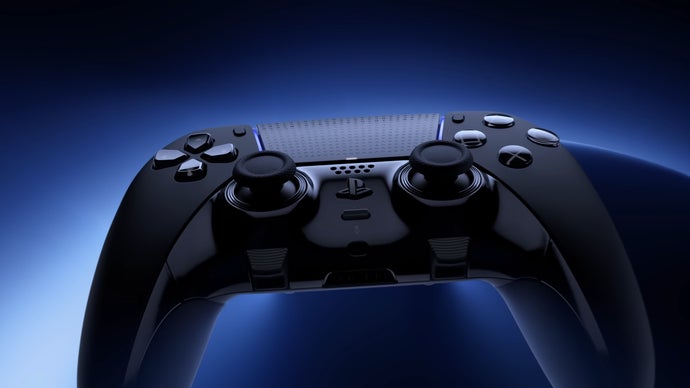
Nearly six years after the PlayStation 5 launched with its acclaimed DualSense controller, PC gamers can finally experience the full suite of its features without being tethered by a USB-C cable. A major new update to the third-party application DSX has made wireless haptic feedback and Bluetooth audio functional over a standard Bluetooth connection, delivering the same experience PC players have long envied from their console counterparts.
The breakthrough arrives via DSX’s v3.2 beta patch, which works by generating a “virtual DualSense” capable of receiving native controller signals from supported games. This clever workaround effectively replicates the seamless wireless experience that PS5 owners have enjoyed since day one. As Eurogamer and GameSpot both report, the feature was first highlighted by Digital Foundry and has quickly generated excitement among PC gaming enthusiasts.
There is a catch, however. The wireless functionality requires purchasing both the DSX base app and its DSX+ downloadable content on Steam. Individually, the app runs around $8 and the DLC adds another $4, though a bundle brings the total to just under $12. Users will also need to keep DSX running in the background during gameplay, and while a recent update allows the app to launch outside of Steam, it requires a Steam login refresh every 28 days.
The update underscores a persistent gap in Sony’s PC strategy. Despite aggressively porting its first-party PlayStation titles to the platform, the company has never released an official wireless dongle or software solution that would unlock the DualSense’s signature haptics and adaptive triggers over Bluetooth on PC. That vacuum has left third-party developers and even DIY hobbyists — some of whom have built custom adapters using Raspberry Pi hardware — to solve the problem themselves.
For now, DSX represents the most accessible path for PC players who want to get the most out of Sony’s controller in games that support its advanced features, including the growing library of PlayStation Studios ports. The app has long offered expanded DualSense customization such as user profiles, LED controls, and fine-tuned adjustments to the controller’s various settings, making it a popular tool in the community even before this latest addition.
As for what comes next from Sony on the hardware front, the company has remained tight-lipped. The DualSense lineup currently includes the standard model and the premium DualSense Edge, and Sony has hinted at exploring future innovations such as buttons that dynamically change their resistance based on in-game events. Whether an official wireless PC solution will ever materialize remains an open question — but at least the community has stopped waiting for one.